Field Tools and Documentation Built Around Your Operation
From the operator on the machine to the stakeholder reading the report, everyone works from the same information.
When money gets questioned, the record holds.
What This Looks Like
Tools your crews will actually use
Field forms and maps are built with the people using them, then adjusted as the work teaches us what matters. Fields that aren’t needed get cut. Fields that are missing get added. Symbology gets changed so it reads from the cab of a machine in full sun, not just on an office monitor. A form that takes 30 seconds and gets used every time beats a form that takes five minutes and gets skipped.
Visibility from the field to the front office
One system where the operator, the superintendent, the project manager, and the stakeholder each see what they need and understand it. Field data collection feeds dashboards and reporting in real time, and integrated tasking makes daily planning faster instead of adding another layer of paperwork.
Documentation that holds up when money gets questioned
Who did what, where, when, with photo and location evidence, captured at the point of work instead of reconstructed later. Whether the question comes from a federal reimbursement reviewer, an owner disputing a change order, or a monitoring reconciliation, the record answers it. And in a well-built system, even a denial has to be specific and defendable.
Built With the Crews Using It
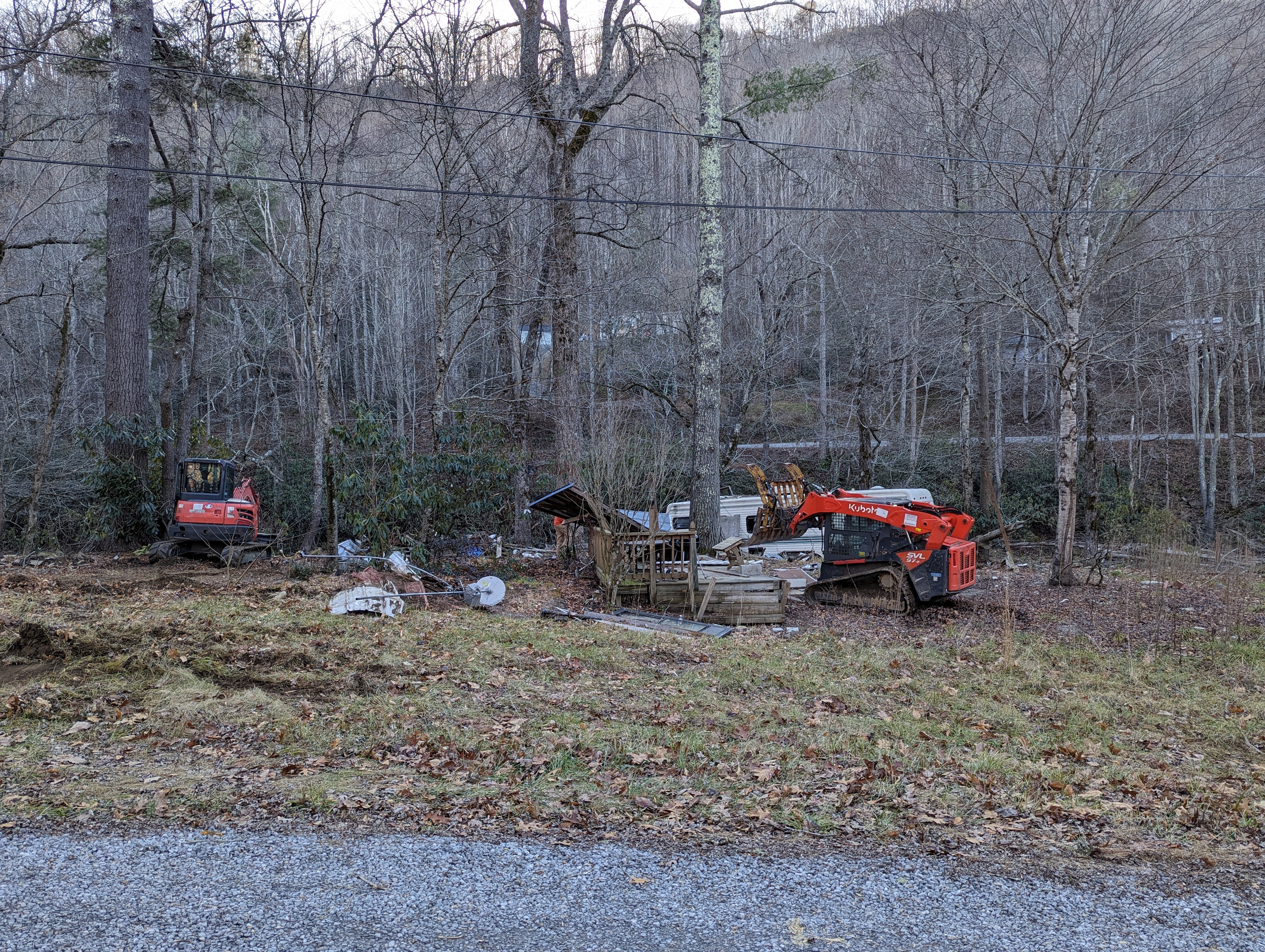
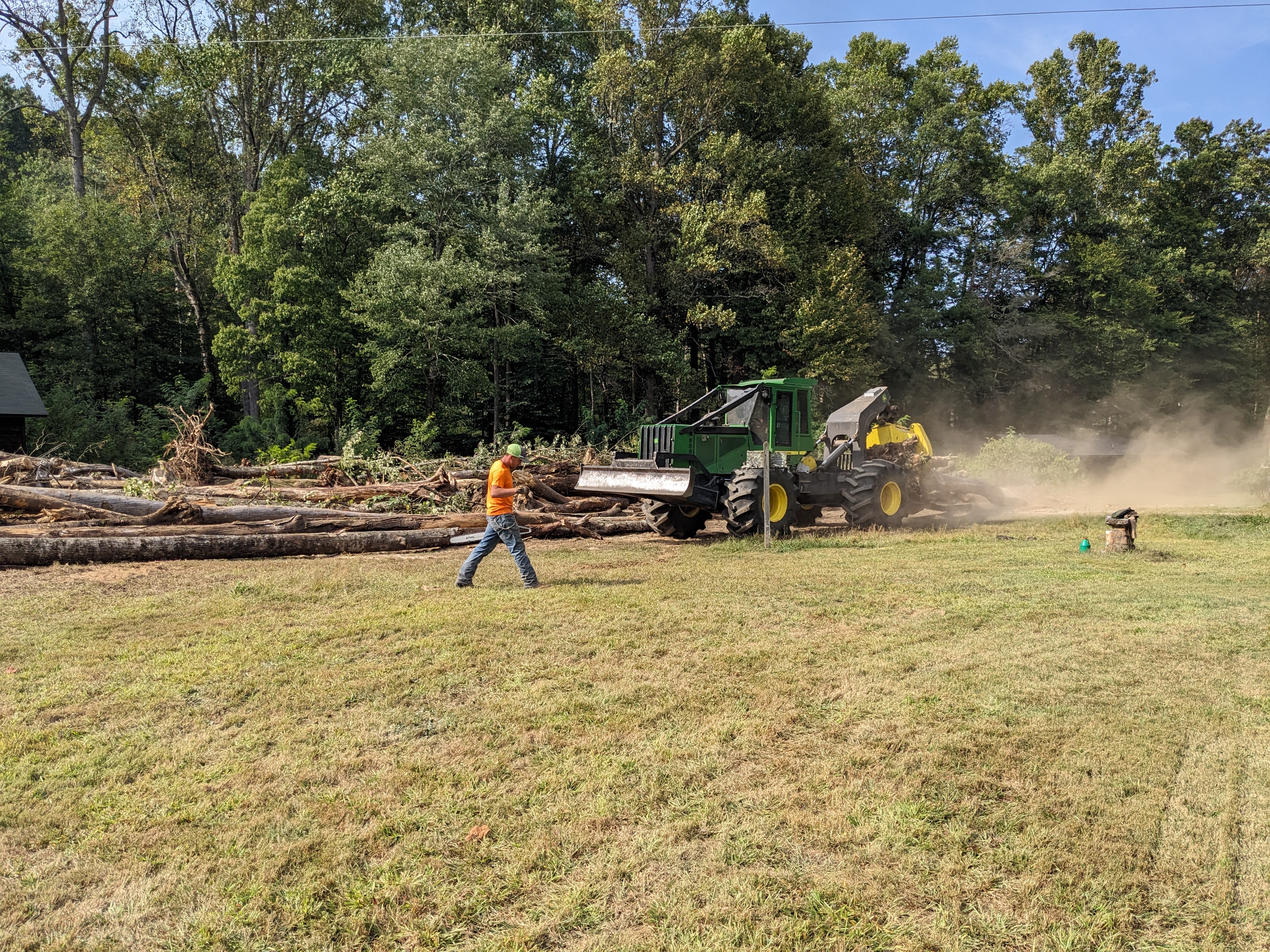
A damage claim defense documentation tool I originally developed for a debris contractor’s operations was later rebuilt from the ground up for Private Property Debris Removal work during the Hurricane Helene response. Both versions were refined in the field with the crews using them: features they needed were added, features that slowed them down were cut. That’s the pattern for everything I build. The tool serves the operation, and the operation gets a say.
What to Expect
1. Scope Call
30 minutes. We discuss your operation: work type, jurisdictions, current documentation, known pain points. I’ll tell you straight whether this makes sense for you or whether you’re better served elsewhere.
2. Build
Forms, maps, dashboards, and workflows configured to your operation, not a template. Everything gets tested with your crews before it counts, and adjusted based on what they tell us.
3. Ongoing Support
Data validation, documentation gap identification, and continued refinement of the tools as the work evolves. You get visibility into problems while they’re still small.
4. Issue Resolution
When a quantity, change order, or eligibility question surfaces, I build the documentation and analysis to support your position and resolve it constructively, whoever is asking.
Three Ways to Engage
Pre-Event & Pre-Project Planning
When to use: Before hurricane season or before mobilizing a new contract, when you want field tools and audit-ready documentation in place before the pressure hits.
What you get:
- Documentation SOPs aligned to your contract and, where applicable, FEMA PAPPG requirements
- Field data collection systems (Field Maps, Survey123, mobile forms)
- Change order and quantity documentation workflows
- Workflow automation for reporting and tracking
- Staff training and dry-run testing before deployment
Typical engagement:
Project-based, typically 4-8 weeks, scheduled in advance
Best fit:
Contractors who want systems built, tested, and trained before the next event or contract starts
Remote Program Support
When to use: Active work where you need centralized visibility and a second set of eyes on the data without on-site presence.
What you get:
- Operational dashboards showing status across all active work
- Data validation before submission deadlines
- Documentation risk identification across jobs and jurisdictions
- Executive reporting for contractor leadership
- Tool adjustments as the work evolves and crews give feedback
Typical engagement:
Monthly retainer per active program
Best fit:
Contractors managing 2+ simultaneous jobs who need a single point of data oversight
Embedded Field Operations
When to use: Active operations where documentation risk is highest and you want data support on the ground with your crews.
What you get:
- On-site presence at contractor operations, TDMS, or command
- Load call verification and ticket QA
- ROE status tracking and access coordination
- Real-time data validation and documentation gap identification
- Documentation systems built to your workflow
- Direct communication channel to your operations leadership
Typical engagement:
Daily or weekly rate, scoped and scheduled around the operation
Best fit:
Waterway debris, PPDR, ROW, or any job where a documentation gap is expensive
Which Service Fits Your Situation?
| Situation | Recommendation |
|---|---|
| Hurricane season approaching or mobilizing a new contract, no systems in place | Pre-Event & Pre-Project Planning |
| Change orders happening faster than they’re being documented | Pre-Event & Pre-Project Planning or Remote Program Support |
| Multiple simultaneous jobs, stretched thin on oversight | Remote Program Support |
| Active operation with complex documentation requirements | Embedded Field Operations |
| Post-event or post-project, facing challenges on completed work | Start with a scope call – may need documentation reconstruction |
What Contractors Ask Before Engaging
“My crews already hate paperwork. Won’t this add more?”
The opposite is the goal. Tools get built with your crews and stripped of anything they don’t need. On past projects that has meant cutting fields from forms, not adding them, and changing map symbology so it reads from a machine cab. If a tool slows the field down, it gets fixed or it gets cut.
“How does this work with our monitoring firm?”
Monitoring firms are part of the process, and I’ve managed operations on that side of the table too. Keeping your own clean, complete record makes reconciliation faster and disputes rarer. When discrepancies do happen, good documentation gives everyone a foundation to resolve them constructively instead of arguing from memory.
“We do land clearing and ROW work, not disaster debris. Does this apply to us?”
Yes, and I’ll be straight about why. My field history is in disaster debris and emergency operations, which happen to be among the most demanding documentation environments there are. A record built to survive a federal reimbursement review will hold up in an owner’s change order review, because the discipline is identical: who did what, where, when, with photo and location evidence, captured at the point of work.
“What does this actually cost?”
Rates depend on scope and engagement type. Planning work is project-based. Remote support is monthly per program. Embedded work runs daily or weekly. A 30-minute scope call will give you a clear picture for your situation.
“How far in advance do we need to engage?”
Engagements are scoped and scheduled in advance. Planning work is best started months before the season or the contract. Embedded and remote support get scoped around your operation’s timeline. The earlier the conversation starts, the more options exist.
“What if I’m not sure which service I need?”
That’s what the scope call is for. 30 minutes, no obligation. We’ll discuss your situation and I’ll tell you straight what makes sense, including whether you’re better served elsewhere.
Discuss Your Operation
A 30-minute call will clarify whether field data and documentation support fits your situation and what engagement would look like.
Response within one business day
